Overview
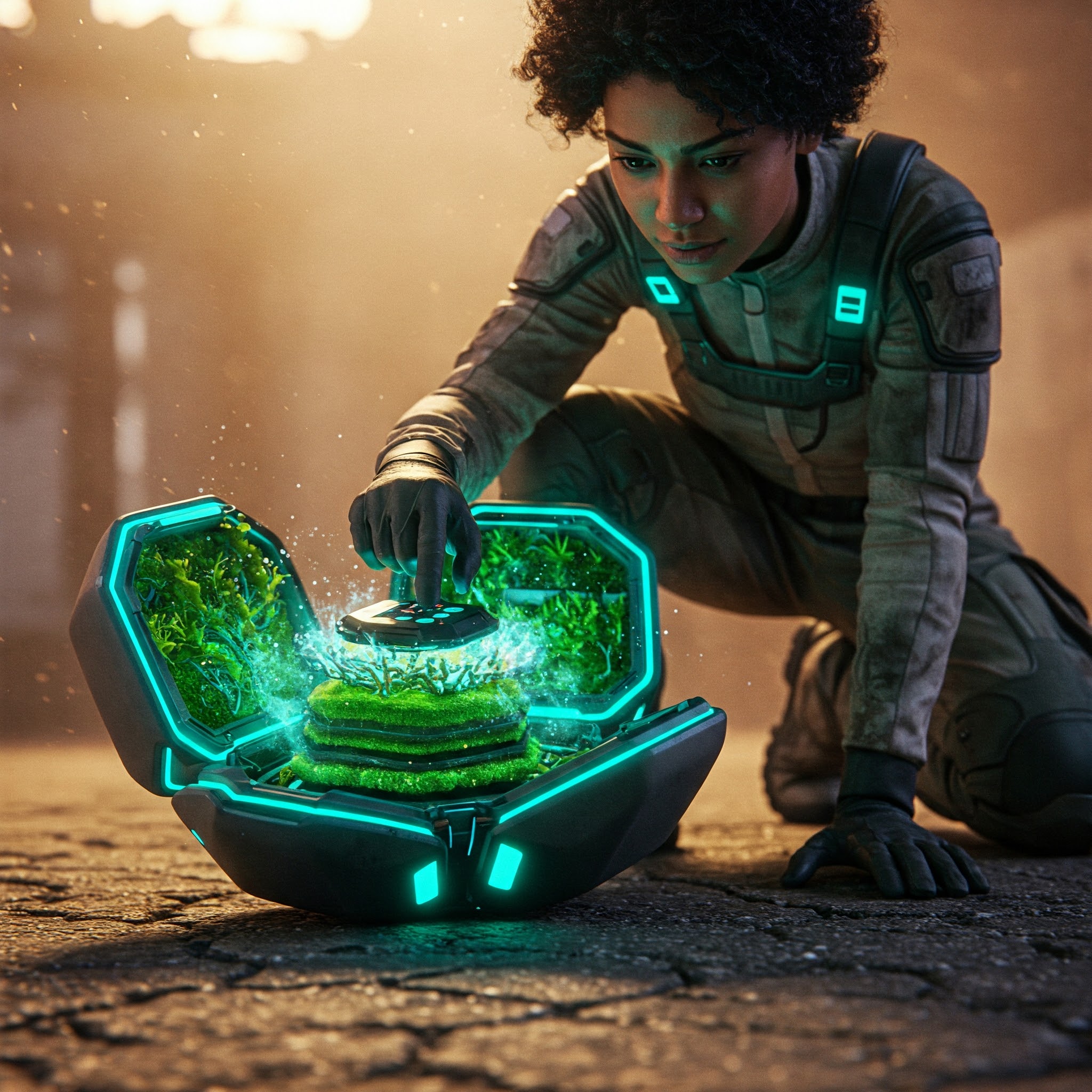
This speculative design project imagines a future where Earth has lost all natural forests due to centuries of deforestation, wildfires, and urbanization. In a world without trees, the Modular Bio-Restoration Units (MBRUs) offer a tangible, community-driven solution to ecological collapse. This case study explores the research, trends, concept development, and final proposal.
Problem Statement
After decades of environmental neglect, natural forests have vanished. Humanity faces rising climate instability, soil degradation, biodiversity loss, and emotional disconnection from nature. Traditional restoration is no longer viable—we need scalable, adaptive, and human-centric solutions to restore ecological functions without relying on tree regrowth.
Research & Discovery
Trend Analysis:
Accelerated Deforestation: Urbanization and industrial projects continue to wipe out natural habitats.
Rise of Artificial Nature: VR forests and mechanical trees substitute for natural ecosystems.
Eco-material Innovation: Hempcrete, vertical farming, and biodegradable materials are replacing natural resources.
Corporate Climate Tech: Large-scale investments prioritize technological solutions over conservation.
Drivers of Change:
Technological solutionism
Weak environmental regulations
Profit-driven resource use
Climate change and soil degradation
Axes of Uncertainty:
Will technology effectively replace natural ecological services?
Will governments enforce environmental protections?
Will society emotionally adapt to a world without real nature?
Scenario Exploration

Three future pathways were explored:
Artificial Forests and Technological Stewardship: Governments and tech firms create bioengineered forests managed by AI and drones.
Climate Migrants & Green Economies: Climate migrants lead the restoration of damaged ecosystems using bioengineered methods.
Virtual Forests as Emotional Infrastructure: VR forests become essential tools for mental health support and coping with ecological grief.
Concept Development
Initial Concepts:

AI-Governed Ecological Restoration System
An AI-powered platform managing artificial forests using real-time environmental data.
Pros: High efficiency and scalability.
Cons: Risk of eco-authoritarianism, reliance on centralized systems, ethical concerns.
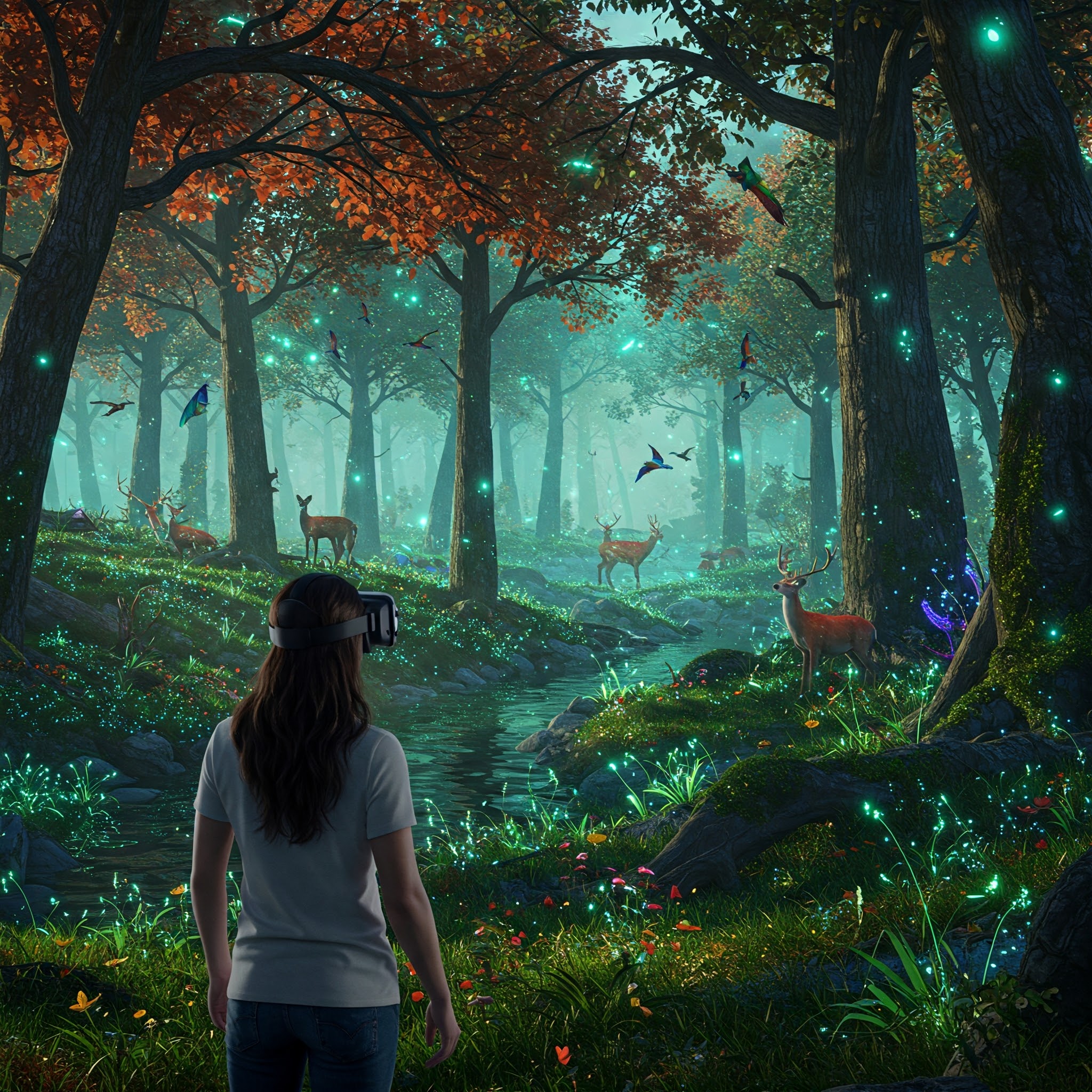
Immersive Nature Therapy VR Platform
A VR platform offering personalized, emotion-adaptive nature experiences for mental health.
Pros: Addresses emotional disconnection and grief.
Cons: Risk of escapism, reduces urgency to protect real ecosystems, potential accessibility issues.
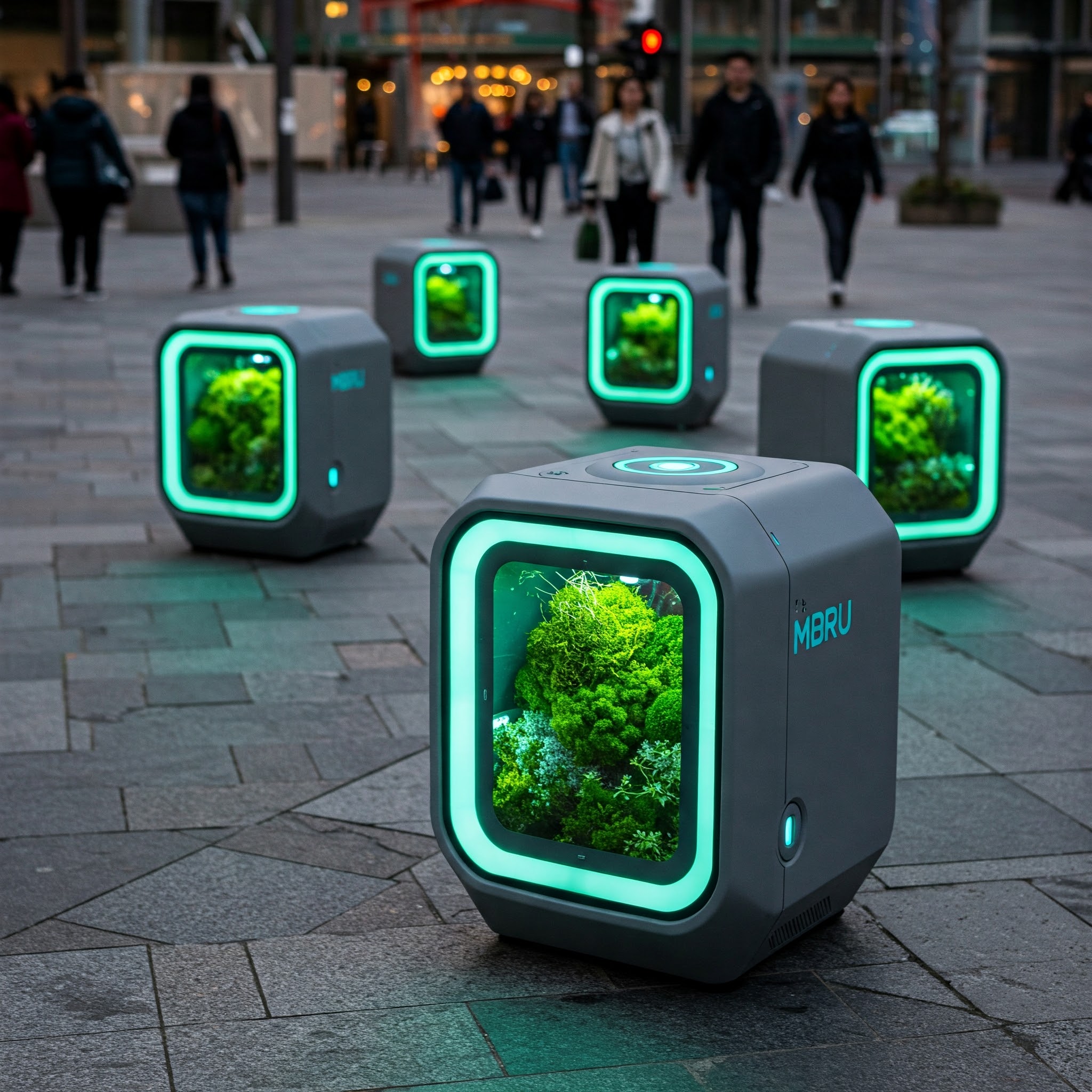
Modular Bio-Restoration Units (MBRUs)
Portable bioengineering kits that rebuild ecosystems without relying on traditional tree regrowth.
Pros: Tangible, community-driven, scalable, inclusive.
Cons: High initial costs, maintenance challenges.
Why MBRUs Were Chosen:
Rooted in Reality: MBRUs offer a direct, physical intervention rather than a virtual or centralized solution.
Human-Centric: They empower communities, especially climate migrants, rather than concentrating control with corporations or governments.
Scalable and Adaptive: Modular design allows customization for diverse environments.
Balanced Trade-offs: Avoids heavy reliance on speculative technologies or emotional escapism.
Symbolic Hope: Represents innovation, cooperation, and resilience without mourning the past.
Final Concept: Modular Bio-Restoration Units (MBRUs)

MBRUs are portable bioengineering kits designed to restore ecosystems where natural regeneration is impossible. They consist of synthetic plants, engineered microbes, fungi, and tech systems to rebuild air, soil, and biodiversity without relying on trees.
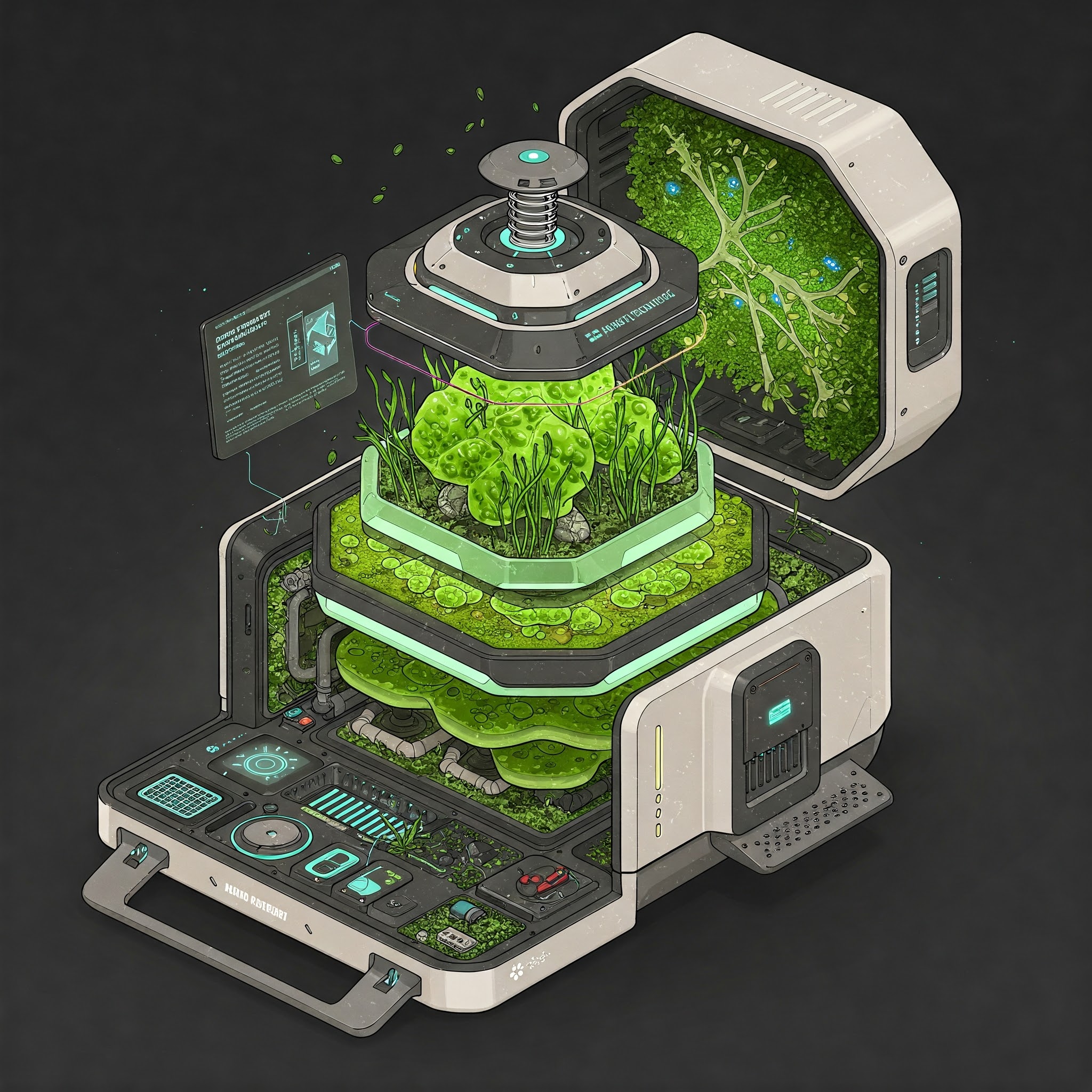
Key Components:
Biological Core: Algae, mosses, mycelium, and bacteria perform carbon capture and nutrient cycling.
Tech Layer: Sensors, atmospheric scrubbers, and adaptive systems optimize restoration dynamically.
Modular Design: Units snap together to scale from small patches to large corridors.
Mobility System: Drone-deployable or vehicle-mounted for rapid deployment in disaster zones.
Use Cases
Healing post-industrial wastelands
Cooling and greening refugee camps
Creating urban biopatches for recreation and education
Restoring degraded coastlines and deserts
Backcasting Roadmap
2025-2027: Early prototypes and academic research into modular bio-restoration.
2030: Successful pilot projects in degraded zones.
2035: Community rollout in cities; schools and workshops adopt MBRUs.
2040: Global scaling with international standards; led by the Global South.
2045: MBRUs become widespread, affordable, and community-built.
SWOT Analysis
Strengths: Modular, scalable, hands-on restoration, public engagement.
Weaknesses: High initial costs, maintenance complexity.
Opportunities: Global expansion, partnerships, education.
Threats: Climate unpredictability, political instability, public skepticism.
Storyboarding
The story of Asha, a climate worker, showcases the deployment of MBRUs. She activates and manages bio-restoration units, engages local communities, and transforms barren lands into thriving ecosystems, highlighting the collaborative spirit behind ecological renewal.
Reflection & Learnings
This project highlighted the importance of designing for resilience, adaptability, and human agency in future ecosystems. It demonstrated how speculative design can inspire hopeful, actionable futures by combining technology, community, and environmental stewardship.